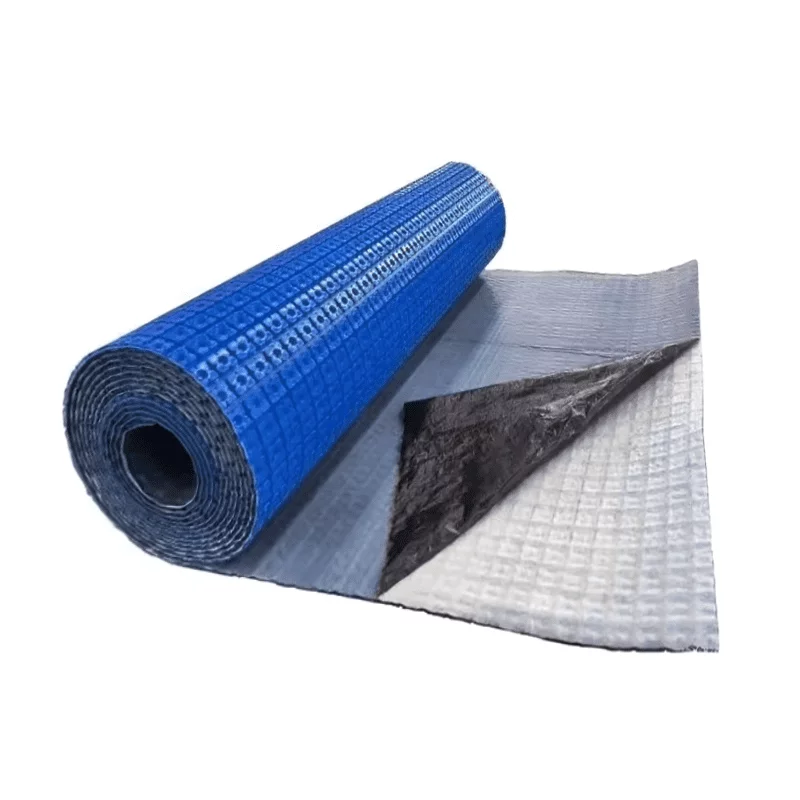
Uncoupling Membranes/Heated Floor Membranes
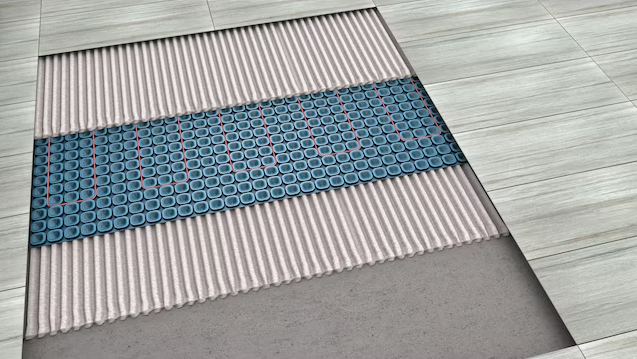
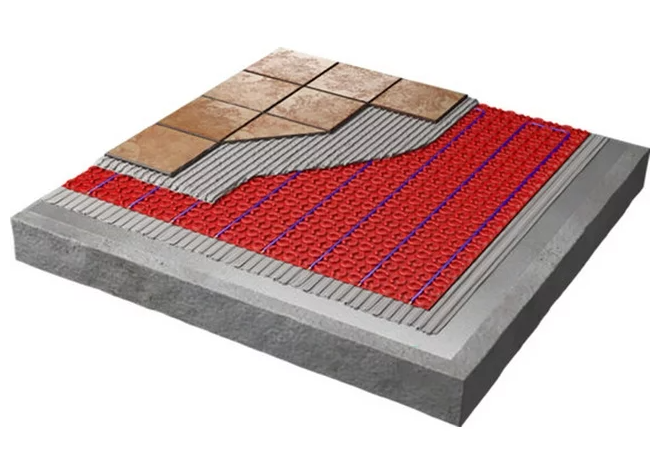
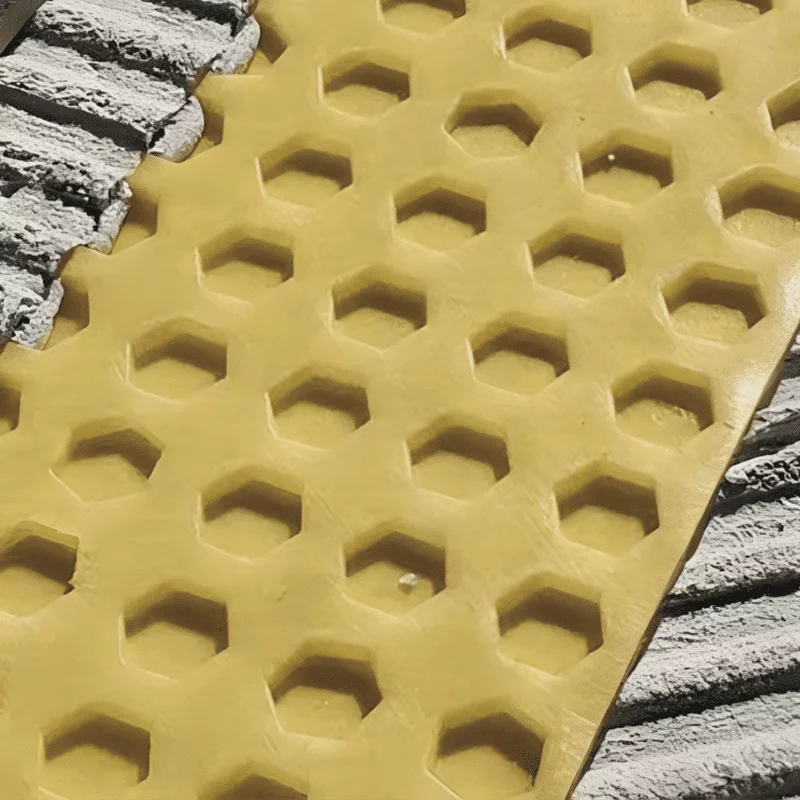
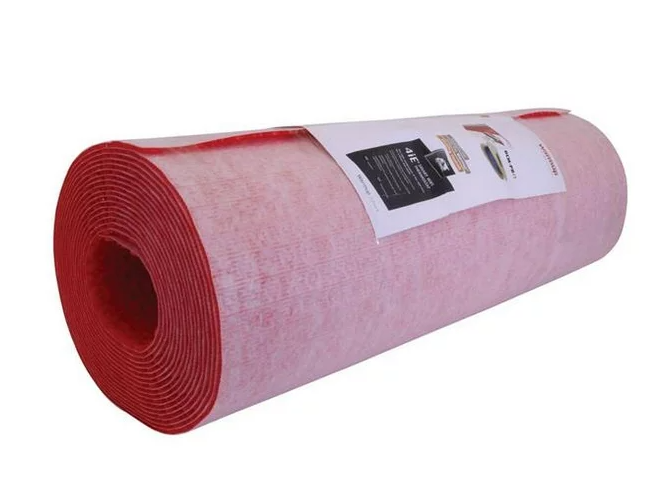
An uncoupling membrane/heated floor membrane is a versatile product used primarily in tile installations to address several key issues such as preventing cracks in tiles due to substrate movement, enhancing waterproofing, and improving overall installation durability.
Product Description
Benefits of Uncoupling Membranes/Heated Floor Membranes:
1. Crack Isolation: One of the primary benefits is its ability to uncouple (separate) the tile from the substrate, which helps prevent cracks in tiles caused by minor movements in the substrate. This is particularly beneficial in areas prone to temperature fluctuations or where the substrate may settle over time.
2. Waterproofing: Many uncoupling membranes also offer waterproofing benefits. They create a continuous barrier that prevents moisture from seeping through to the substrate, thereby protecting the underlying structure from water damage.
3. Load Distribution: By providing a cushioning and supportive layer between the tile and the substrate, uncoupling membranes help distribute the load more evenly. This reduces stress on the tile and substrate, which can prolong the life of the installation.
4. Sound Reduction: Some uncoupling membranes have sound-reduction properties, which can help reduce impact noise (footfall noise) in multi-story buildings or in rooms where sound control is desired.
5. Easy Installation: They are typically lightweight and easy to cut and handle, making installation faster and more efficient compared to traditional methods that might require thicker mortar beds.
6. Compatibility: Uncoupling membranes are compatible with various types of substrates, including concrete, plywood, and existing tile installations, making them versatile for both new constructions and renovation projects.
Applications of Uncoupling Membranes/Heated Floor Membranes:
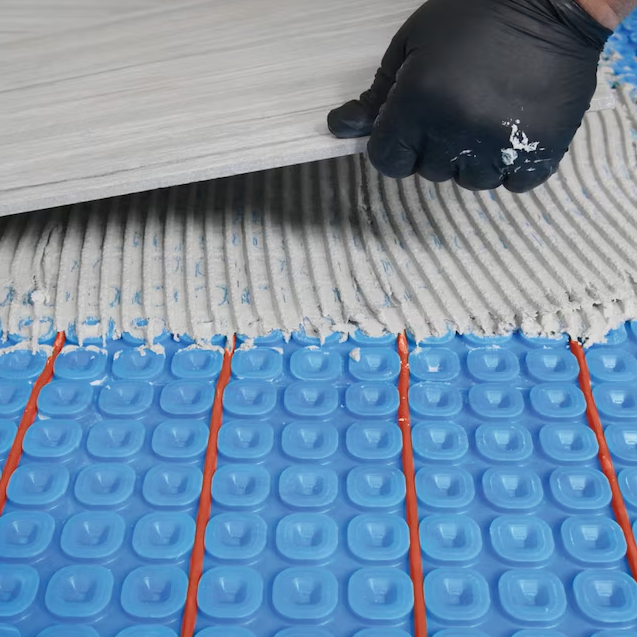
1. Floor Tile Installations: They are widely used under ceramic, porcelain, and natural stone tiles on floors, especially in high-traffic areas like kitchens, bathrooms, and commercial spaces.
2. Wall Tile Installations: In addition to floors, uncoupling membranes can be used on walls, providing similar benefits of crack isolation and waterproofing in areas like showers and backsplashes.
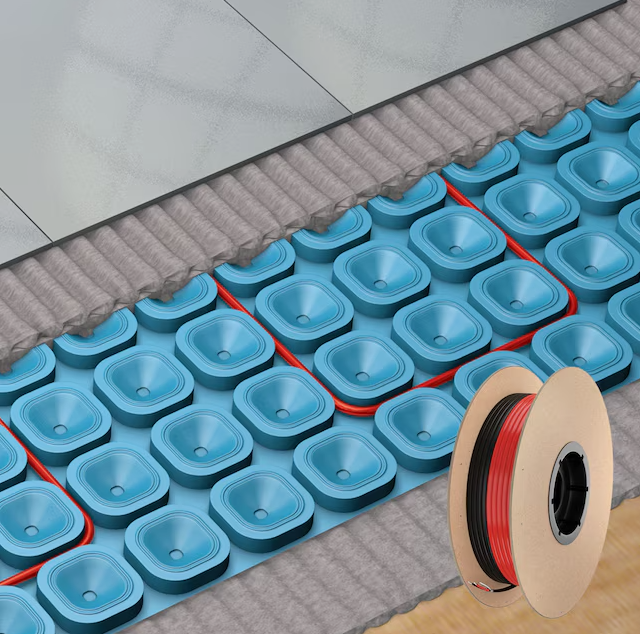
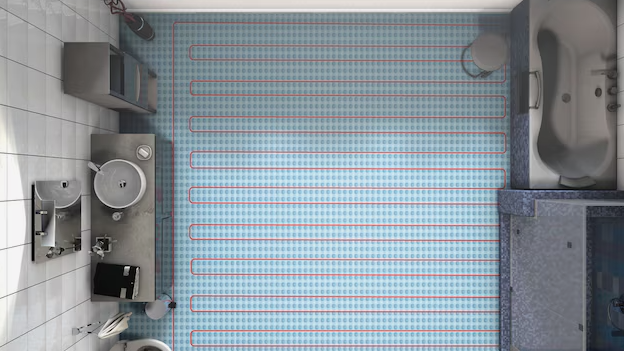
3. Heated Floors: They are suitable for use with radiant heating systems, helping to protect the heating elements and ensuring even distribution of heat across the floor surface.
4. Exterior Installations: Some uncoupling membranes are designed for exterior use, providing protection against freeze-thaw cycles and ensuring durability in outdoor tile installations.
5. Renovations: In renovation projects where the condition of the existing substrate may not be ideal, uncoupling membranes can help mitigate potential issues and provide a stable base for new tile installations.
6. Large Format Tiles: With the trend towards larger and thinner tiles, uncoupling membranes help to support these tiles and reduce the risk of cracking during installation and use.
Overall, uncoupling membranes/heated floor membranes offer significant advantages in terms of durability, performance, and ease of installation in tile projects, making them a preferred choice for many contractors and homeowners alike.
Related Products
View All →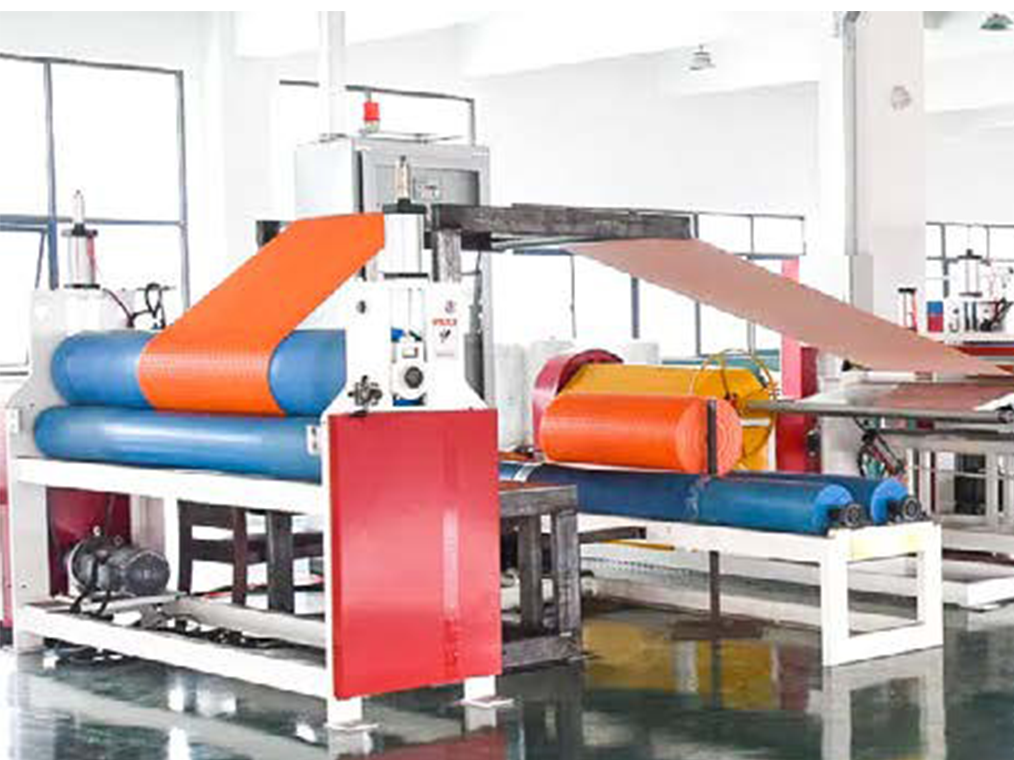
Uncoupling Membrane / Underfloor Heating Mat Production Line
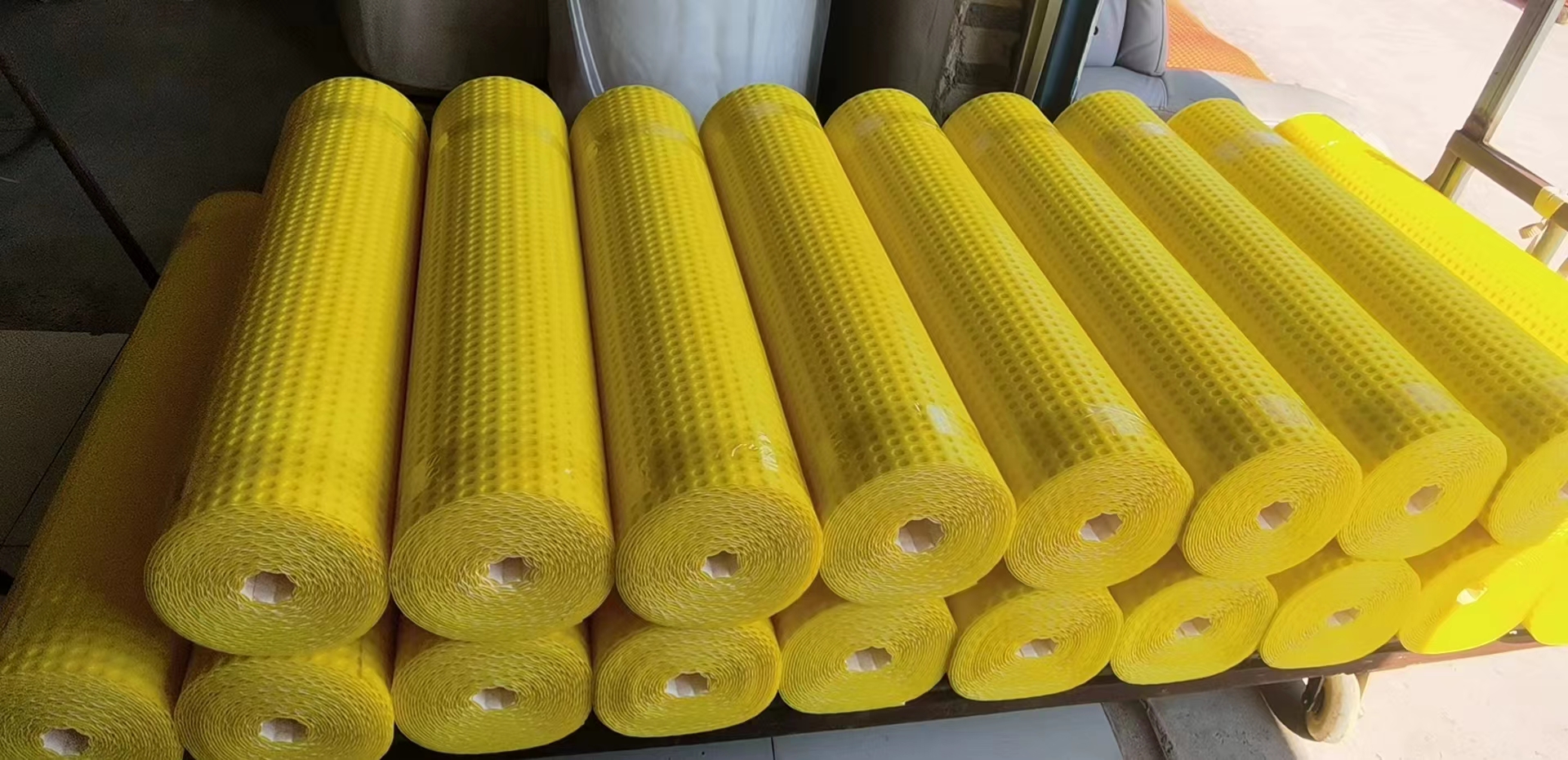
A uncoupling membrane is an innovative functional material used in flooring installations, offering key performance features such as stress isolation, waterproofing and moisture resistance, as well as noise and vibration reduction.
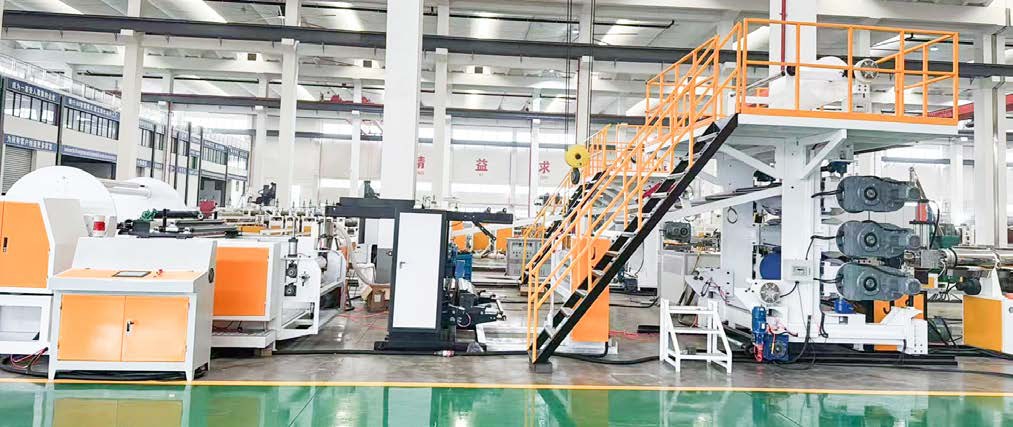
PE、EVA、TPO、PVC Waterproof Membrane Production Line
Junsheng PE, EVA, TPO, PVC Waterproof membrane production line can produce the plastic PE, EVA, TPO, PVC Waterproof membrane with thickness from 0.2 to 2mm and width of 1000 mm.
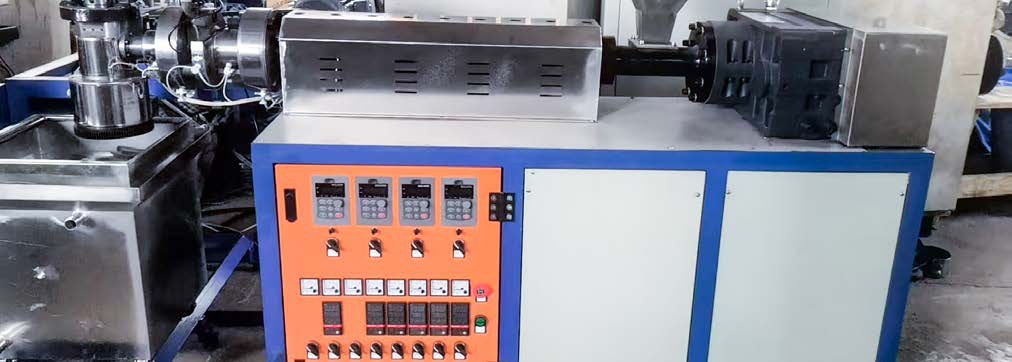
Plastic Packaging Mesh Production Line
Plastic netting production lines are primarily used to manufacture high-strength netting products, such as vegetable mesh bags for supermarkets, aquatic product netting, and flower protection netting.
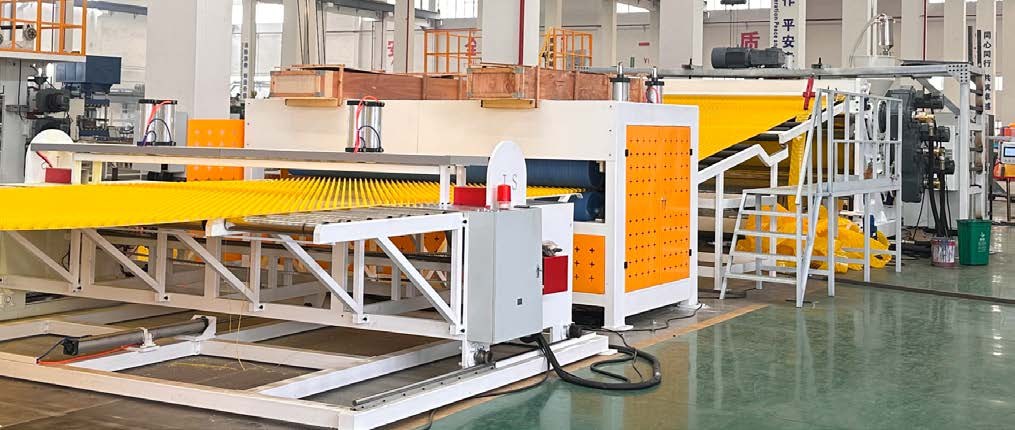
Plastic V-lock Machine / Anchor Plate Production Line
An anchorage plate is an innovative technical device used in construction engineering to optimize rebar anchorage systems.
Interested in this product?
Contact us for a detailed quote and technical consultation.